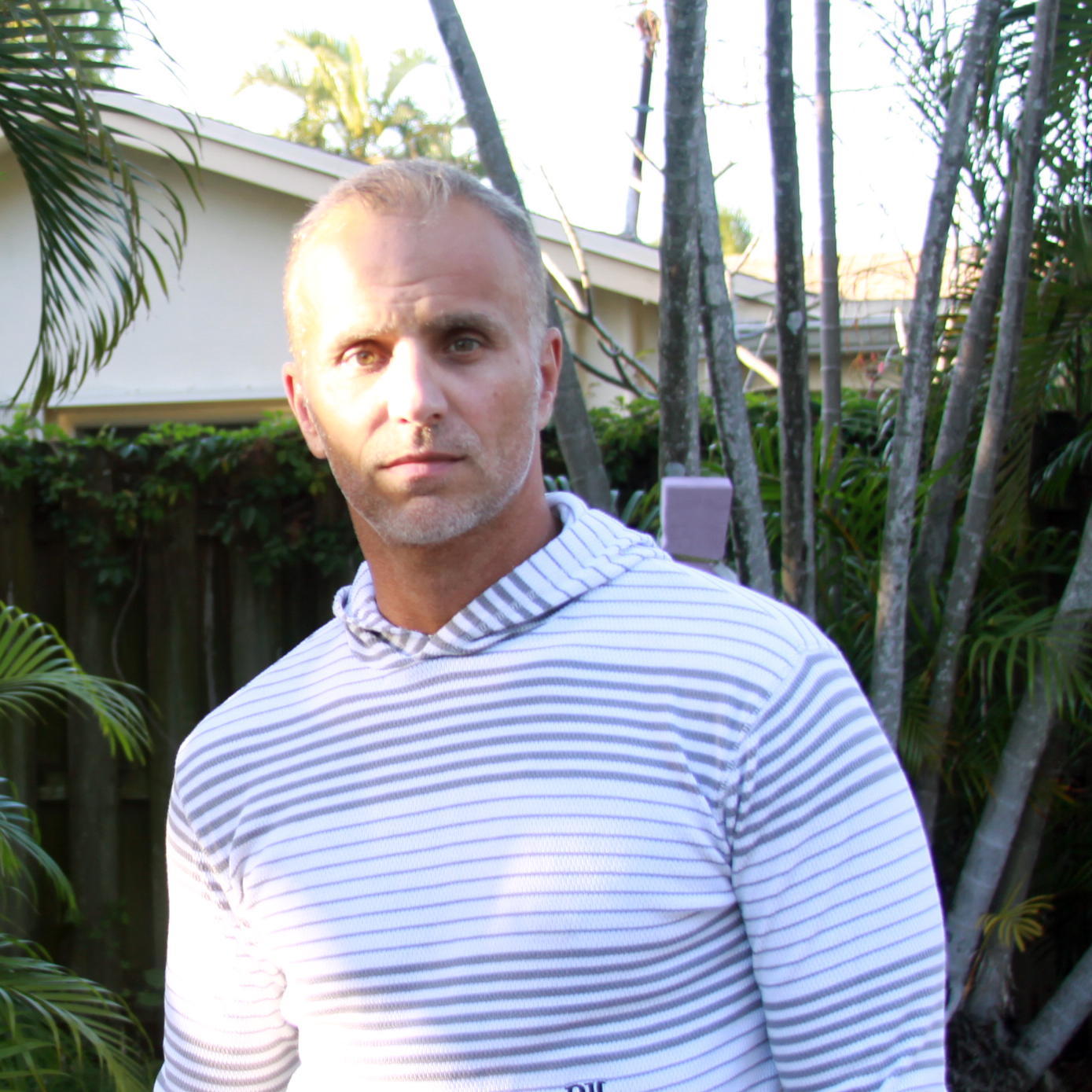
The Story Behind the Swing
PGA of America Associate Member — PAT Passed, Level 1 Coursework in Progress, Background Check Complete
TPI Certified — Golf Levels 1, 2, & 3, 17+ years coaching, digital content creator, passionate about simplifying golf and helping every player succeed.
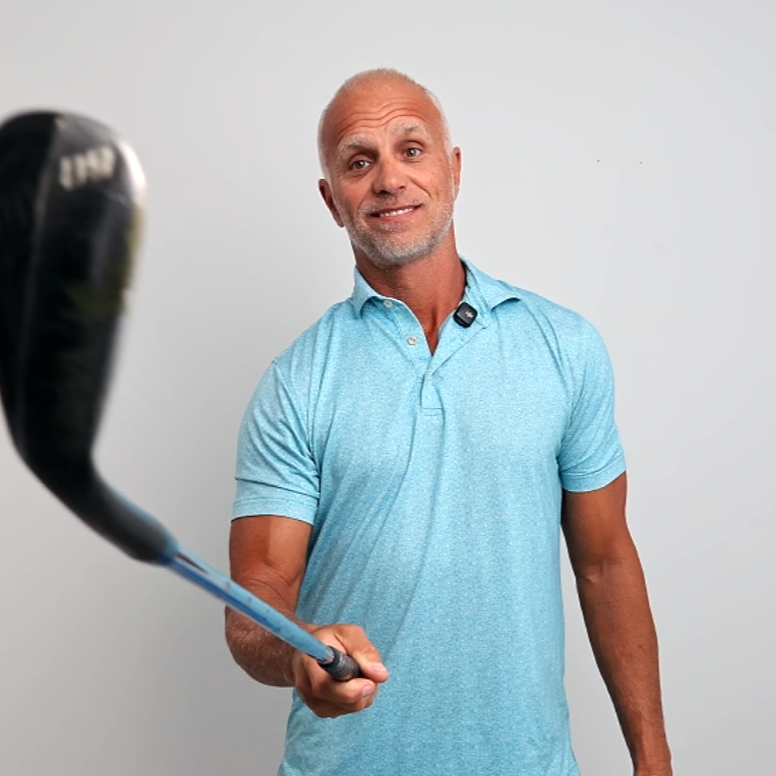
I've been an athlete my entire life — and I mean that literally. I played every sport my high school offered, and some they didn't. Sponsored in professional rollerblading and snowboarding in the early '90s. A serious candidate for the 1996 Olympic Tae Kwon Do team. Multiple long drive competition wins across the Midwest through the '90s and early 2000s. Baseball in the Texas Rangers organization. Professional beach volleyball on the AVP, NVL, and MPVA circuits. Twelve years teaching gymnastics and martial arts.
Sport was my entire identity for so long that I didn't recognize what it had actually given me: a mind built for problem solving. Reading an opponent, adjusting mid-play, breaking a complex movement into parts a student can feel and repeat — that's not athleticism. That's logistics. And it turns out the core of a good athlete and the core of a good coach are the same thing.
Golf was always there — woven through everything — but the path to making it my life's work wasn't a straight line. It never is.
I was married. I was building software. I was coaching baseball and teaching golf on the side — doing what athletes do when competition slows down but the need to compete doesn't. Life was full. Golf was a joy.
Then my wife was diagnosed with colon cancer. And then she was gone.
After her death, I didn't touch a golf club for almost ten years. The game reminded me too much of her, and losing her scarred the love right out of it. I buried the clubs in the garage and walked away.
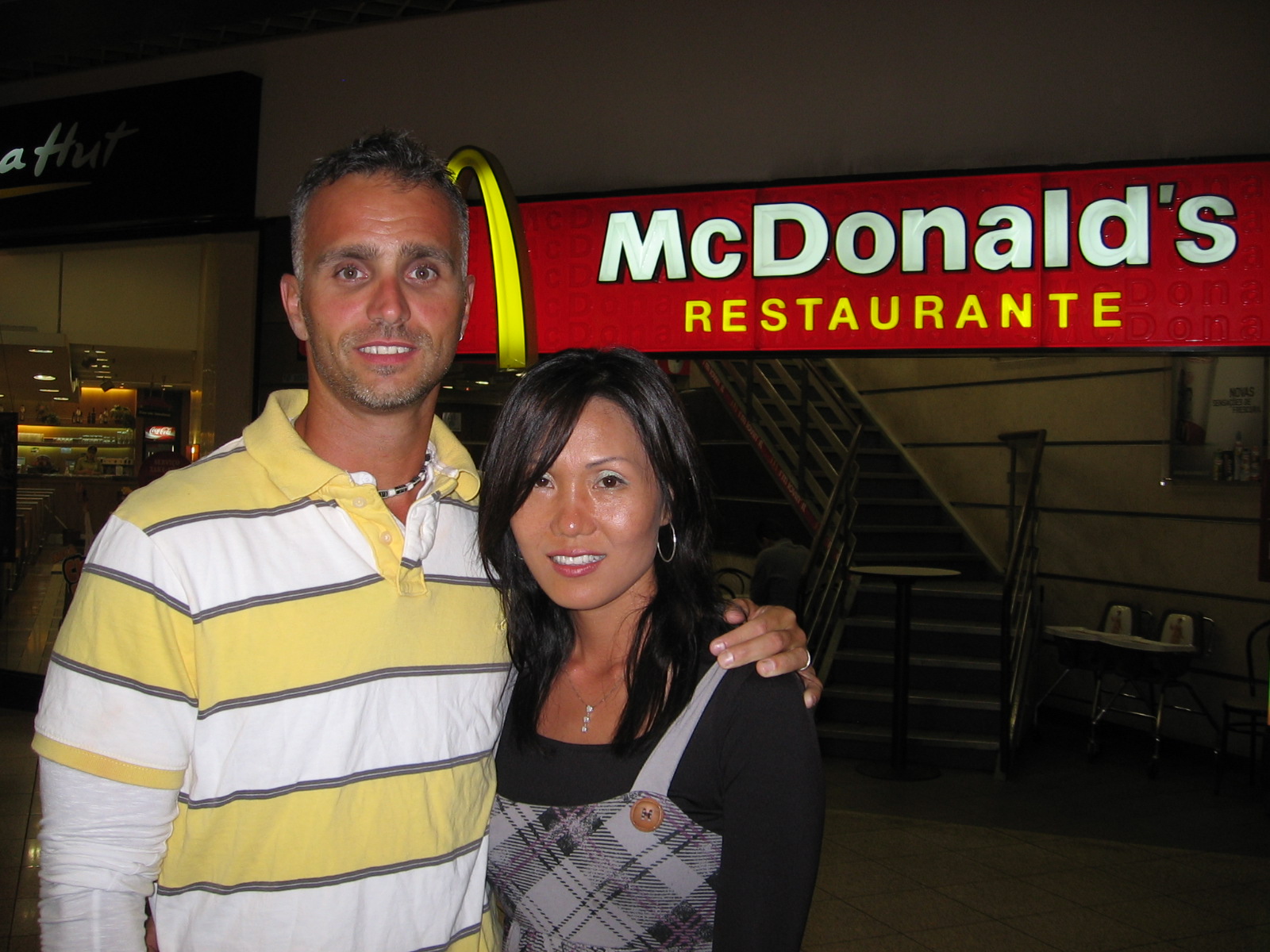
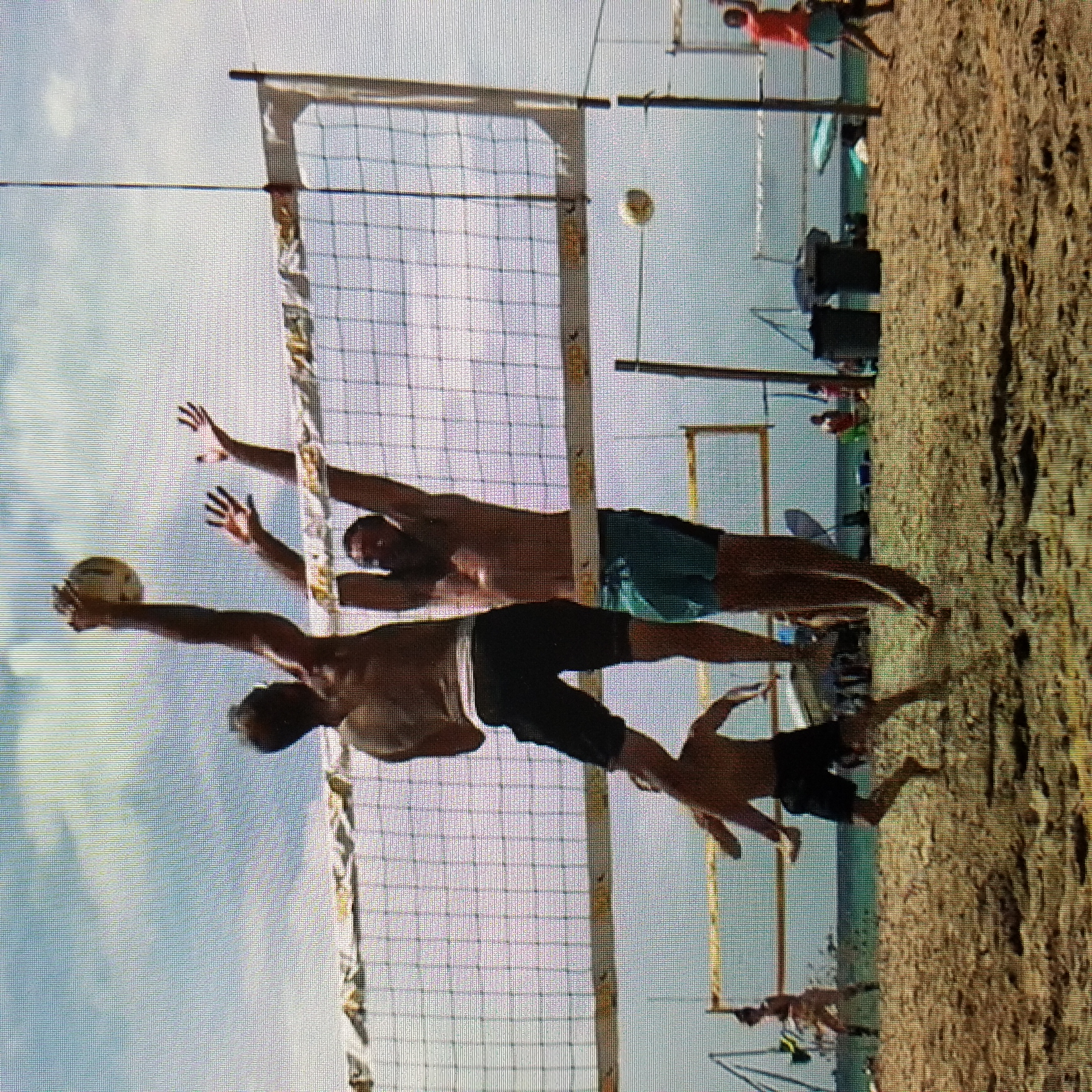
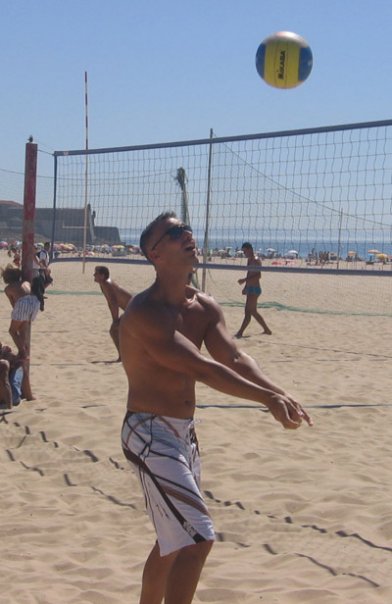
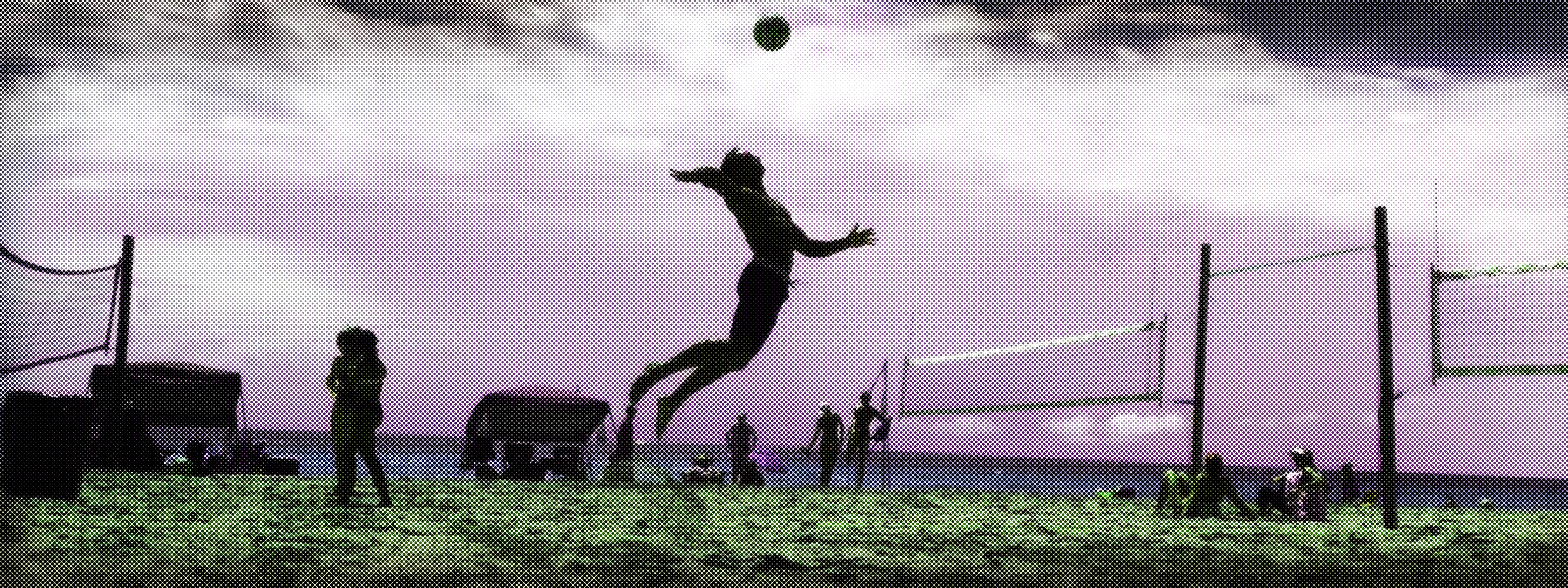
I moved to Florida and did what I knew — I went back to the sand. Professional beach volleyball again: MPVA, NVL, AVP qualifiers. I was older. The body still worked but the margins were thinner. The kids coming up were faster and I wasn't going to outjump them anymore.
Friends could see that the fire wasn't there anymore — that I was going through the motions, not competing. They said the thing I wasn't ready to hear: "Why don't you golf again?"
So I picked the clubs back up. And something happened that I didn't expect — the swing was still there. Not just there. Better. Because my body understood movement differently now. Decades of rotational sport, of explosive power, of learning how to teach mechanics to other athletes — it had all been quietly building a foundation I didn't know I had.
I went from not hitting a golf ball to passing the PGA Playing Ability Test in thirty days. November 20, 2023. The Links at Boynton Beach, Florida.
On the day of the test, my swing left me. Completely. No feel. No rhythm. Just 30-mph winds and pouring rain and a body that had decided today was not the day for pretty golf.
So I leaned on the one thing I had: simple mechanics. No swing thoughts. No feel-based cues. Just positions. Ball striking. Trust the process. Two rounds of grinding, mechanical, ugly-but-functional golf — and I walked off with a 77/77. PAT passed on the first attempt.
That round taught me something I now teach every student: when the pressure comes and the feel disappears, simple mechanics are the only thing that survives. If your swing can't hold up without feel, it can't hold up when it matters.
After passing the PAT, I started giving lessons and decided to pursue my PGA credentials. But I knew my swing theory was outdated. So I went back to school — not a classroom, but hundreds of hours of research, film study, and experimentation.
I found DST Golf, which gave me deep insight into what professionals do differently from amateurs at impact. I spent the next year building a teaching system around one idea: don't break swings — slowly reform them, while delivering instant results. It felt revolutionary.
Then I found TPI — the Titleist Performance Institute. TPI taught golf the way I was already teaching it: body first. But it went further. It showed me how different bodies and body types create different swing characteristics. How deficiencies in mobility or strength produce specific, predictable faults. It revolutionized my philosophy again.
That philosophy shows up most clearly when I work with senior and older golfers. A swing built for a twenty-five-year-old body doesn't work on a sixty-year-old body — but most instruction pretends it should. I've spent years modifying swings and fitness routines around what a player's body can actually do, not what a textbook says it should: working within real limitations in mobility, stability, and recovery, and finding the shortest path to a repeatable, pain-free swing. A lot of my students come to me after years of being told to "just get more flexible" — and leave with a swing and a training plan that respect the body they actually have.
I completed TPI Level 1, then Level 2 Golf, and now Level 3 — the advanced mentorship. Golf has simply become my passion, and I can see ways to extend TPI's methodology even further by melding it with other simple, proven techniques.
I could go back to software development. The money is better. I could be out playing and hustling for money on the course. I could enter senior long drive competitions and build a career around that — I still carry the ball over 300 yards.
But I love to teach.
Not in an abstract way. In the way where you see someone's face change when the ball does what they wanted it to do for the first time. When the mechanic clicks. When they stop thinking about seventeen swing thoughts and start playing golf. That moment — watching a student go from confusion to confidence in real time — is the thing.
Spreading knowledge is how society prospers. I believe that. And I believe golf doesn't need to be as complicated as the industry has made it. Most of what holds golfers back isn't talent or athleticism — it's overcomplicated instruction from people who've forgotten what it feels like to not understand the swing.
I haven't forgotten. I was that person thirty days before my PAT.
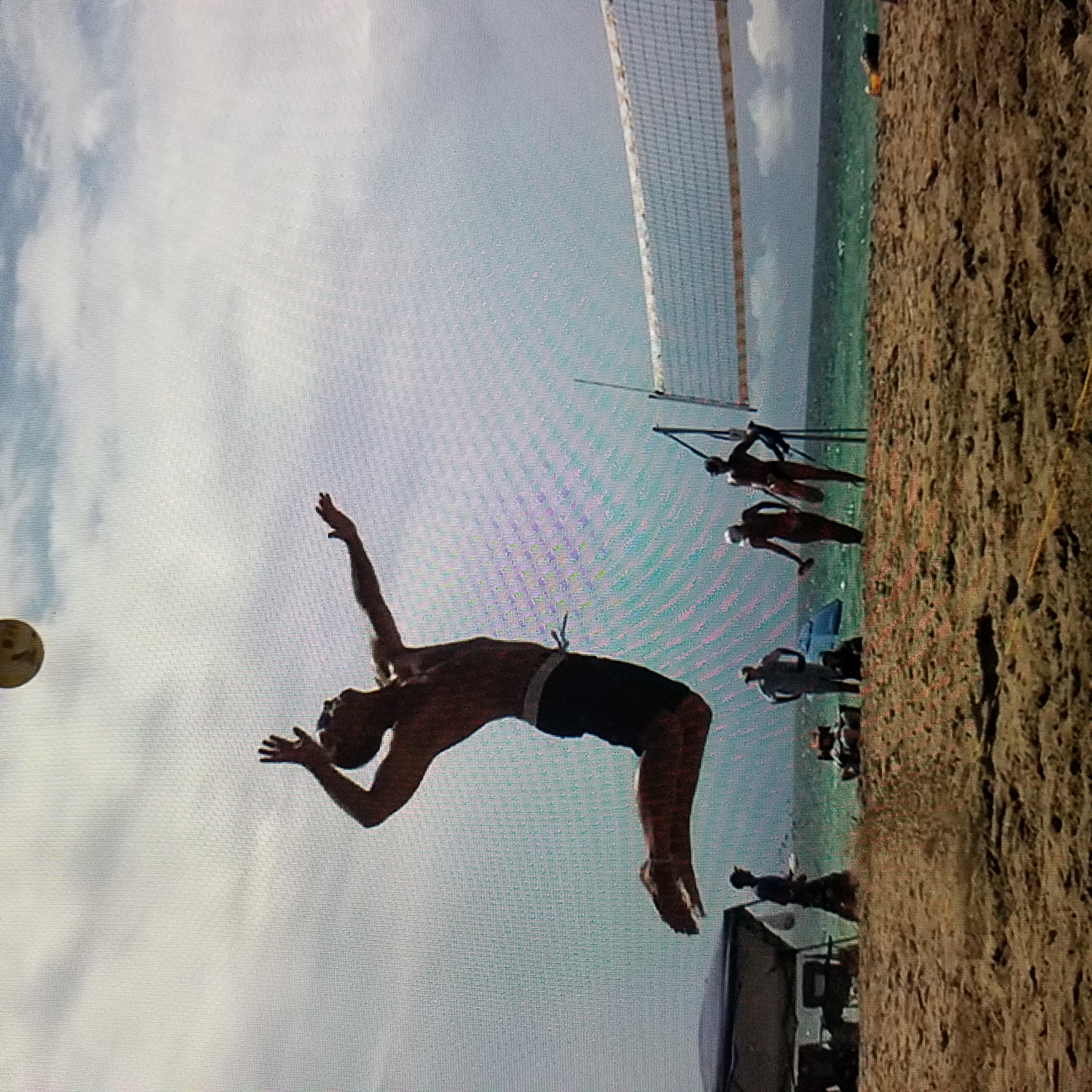
My journey began a long time ago. And like a golf swing, it found difficulty along the way. But the fairway is clear now, and I am ready to tee off into teaching golf the right way.
Press the hands.
Send.
Golf Simplified.